
Understanding Florida's Five Sunroom Categories and Their Building Code Requirements
Sunrooms are a popular way to enjoy Florida’s abundant sunshine while staying protected from the elements. However, not all sunrooms are created equal. The Florida Building Code (FBC) officially classifies sunrooms into five distinct categories. Each category has specific structural requirements, insulation standards, and climate control considerations. Understanding these categories helps homeowners, builders, and contractors ensure compliance and create comfortable, safe spaces.
This post breaks down Florida’s five sunroom categories, explains their building code requirements, and offers practical insights for anyone planning a sunroom project in the Sunshine State.

What Defines a Sunroom Under Florida Building Code?
The Florida Building Code sets clear definitions and standards for sunrooms to address Florida’s unique climate challenges, such as high humidity, hurricanes, and intense sunlight. The code classifies sunrooms based on their construction, enclosure type, and integration with the main house.
The five categories range from simple screen rooms to fully insulated, conditioned additions. Each category affects how the sunroom can be used, its energy efficiency, and the permits required.
Category 1: Screen Rooms
Screen rooms are the most basic type of sunroom. They consist of a roof and screened walls but no glass or solid walls. These rooms provide shade and insect protection but offer minimal climate control.
Building Code Requirements for Screen Rooms
No insulation required since they are open-air structures.
Must meet wind load requirements for screens and framing to withstand hurricanes.
Roof structures must comply with local roofing codes.
No HVAC systems are typically installed.
Floor construction must meet local building standards but can be simpler than enclosed rooms.
Practical Uses and Considerations
Screen rooms are ideal for outdoor dining, relaxing, or gardening without bugs. They are cost-effective and usually require fewer permits. However, they offer little protection from rain or temperature extremes.
Category 2: Sunrooms with Glass or Acrylic Panels
These sunrooms have a roof and walls made of glass or acrylic panels instead of screens. They provide better protection from weather and insects but may not be fully insulated.
Building Code Requirements
Must meet impact-resistant glazing standards to withstand hurricane-force winds.
Roof and wall framing must comply with structural load requirements.
Insulation is optional but recommended for comfort.
Ventilation requirements depend on whether the room is conditioned.
Electrical and lighting installations must follow code.
Practical Tips
This category suits homeowners who want more weather protection but do not need full climate control. Using impact-resistant glass improves safety during storms. Adding operable windows or vents helps with airflow.
Category 3: Conditioned Sunrooms
Conditioned sunrooms are fully enclosed and insulated spaces connected to the home’s HVAC system. They function as year-round living areas.
Building Code Requirements
Must meet insulation standards for walls, ceilings, and floors.
Windows and doors require energy-efficient glazing.
HVAC systems must be properly sized and installed.
Structural components must comply with wind and load requirements.
Electrical, plumbing, and fire safety codes apply.
Benefits and Challenges
Conditioned sunrooms increase living space and home value. They provide comfort in all seasons but require higher construction costs and energy use. Proper insulation and sealing are critical to avoid moisture problems in Florida’s humid climate.
Category 4: Florida Room Additions
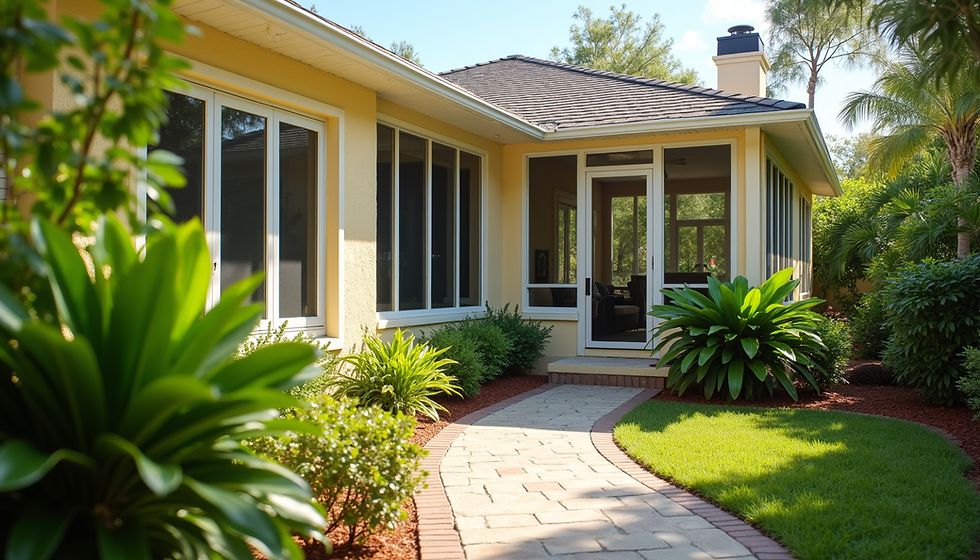
Florida rooms are fully integrated additions designed to blend seamlessly with the existing home. They often include full insulation, HVAC, and finished interiors.
Building Code Requirements
Must meet all residential building codes for additions.
Structural integration with the main house is required.
Energy efficiency standards apply, including insulation and window performance.
Permits and inspections are mandatory.
Fire safety and egress requirements must be met.
Design Considerations
Florida rooms can serve as family rooms, offices, or guest spaces. They require careful planning to match the home’s architecture and meet code. Using durable materials helps withstand Florida’s weather.
Category 5: Sunrooms with Specialized Features
This category includes sunrooms with unique features such as retractable roofs, automated shading, or advanced climate control systems.
Building Code Requirements
Must comply with all applicable structural and energy codes.
Specialized equipment must meet manufacturer and safety standards.
Electrical and mechanical systems require professional installation.
Permits depend on the complexity of features.
Examples and Innovations
Some sunrooms include motorized screens or glass panels that open and close. Others have integrated dehumidifiers or smart thermostats to maintain ideal conditions. These features enhance usability but add complexity and cost.
How to Choose the Right Sunroom Category
Choosing the right sunroom depends on your budget, intended use, and local climate conditions. Here are some factors to consider:
Purpose: Do you want a simple outdoor space or a fully climate-controlled room?
Budget: Screen rooms cost less, while conditioned sunrooms and Florida room additions require more investment.
Climate: Florida’s heat, humidity, and hurricanes influence material and design choices.
Permits: More complex sunrooms need permits and inspections.
Energy Efficiency: Insulated and conditioned rooms save energy and improve comfort.
Working with Professionals
Building a sunroom that meets Florida’s building code requires expertise. Architects, builders, and contractors familiar with local codes can help:
Ensure structural safety and code compliance.
Select appropriate materials for hurricane resistance.
Design efficient HVAC and ventilation systems.
Navigate permit processes smoothly.
Welcome to Epic Home Pros
At Epic Home Pros, we specialize in transforming your living spaces with our expert remodeling services. Our primary focus is on providing high-quality lanai enclosures that enhance the beauty and functionality of your home.
Our Services
Lanai Enclosures: Create a comfortable outdoor living space that can be enjoyed year-round, regardless of the weather.
Home Remodels: From kitchen upgrades to bathroom renovations, we bring your vision to life with precision and care.
Quality Craftsmanship: Our skilled team is dedicated to delivering superior workmanship on every project.
Why Choose Us?
Experienced professionals with a passion for construction and design.
Commitment to customer satisfaction and attention to detail.
Competitive pricing without compromising on quality.
Timely project completion to minimize disruption to your home life.
Transform your home with Epic Home Pros. Contact us today to schedule a consultation and discover how we can enhance your living space!



Comments