
Latest Commercial Construction Trends: What You Need to Know
The world of commercial construction is evolving fast. New materials, technologies, and design philosophies are shaping the buildings around us. Whether you are planning a new office, retail space, or industrial facility, understanding these trends can help you make smarter decisions. I want to share some of the latest commercial construction trends that are transforming the industry today.
Emerging Commercial Construction Trends Shaping the Industry
One of the biggest shifts in commercial construction is the focus on sustainability. More projects now prioritize eco-friendly materials and energy-efficient designs. This not only reduces environmental impact but also lowers operating costs over time. For example, many buildings incorporate solar panels, green roofs, and advanced insulation to improve energy performance.
Another trend is the use of modular and prefabricated construction methods. These approaches allow parts of a building to be built off-site in controlled environments. Then, they are transported and assembled quickly on location. This reduces construction time, minimizes waste, and often improves quality control.
Technology is also playing a huge role. Building Information Modeling (BIM) software helps teams visualize projects in 3D before construction begins. Drones are used for site surveys and inspections, providing real-time data and improving safety. Smart building systems integrate sensors and automation to optimize lighting, heating, and security.
Finally, flexible and adaptive spaces are in demand. Commercial buildings are designed to accommodate changing needs, such as remote work or evolving retail trends. Movable walls, multi-use rooms, and open floor plans make spaces more versatile and future-proof.

How Technology is Revolutionizing Commercial Construction Trends
Technology is no longer just a tool; it’s a game-changer in commercial construction. One of the most impactful innovations is Building Information Modeling (BIM). BIM allows architects, engineers, and contractors to collaborate on a digital 3D model of the project. This reduces errors, improves communication, and speeds up decision-making.
Drones have become essential for site management. They provide aerial views that help monitor progress, identify hazards, and conduct inspections without putting workers at risk. This technology saves time and enhances safety protocols.
Another exciting development is the rise of smart buildings. These structures use Internet of Things (IoT) devices to monitor and control systems like lighting, HVAC, and security. For example, sensors can adjust lighting based on occupancy or natural light levels, reducing energy waste. Smart systems also provide valuable data for maintenance and operational efficiency.
Robotics and automation are beginning to appear on construction sites as well. Robots can perform repetitive tasks such as bricklaying or concrete pouring with precision and speed. This reduces labor costs and improves consistency.
Sustainable Building Materials and Practices in Commercial Construction
Sustainability is more than a buzzword; it’s a necessity. Commercial construction projects increasingly use materials that are renewable, recycled, or have low environmental impact. For example, bamboo flooring, recycled steel, and low-VOC (volatile organic compound) paints are popular choices.
Green building certifications like LEED (Leadership in Energy and Environmental Design) guide many projects. Achieving LEED certification means a building meets strict standards for energy efficiency, water conservation, and indoor air quality.
Water-saving fixtures, rainwater harvesting systems, and efficient HVAC units are common features in new commercial buildings. These elements reduce utility costs and support environmental stewardship.
In addition, adaptive reuse is gaining traction. This involves repurposing old buildings instead of demolishing them. It preserves historical character and reduces construction waste. For instance, converting an old warehouse into office space is a smart way to blend sustainability with functionality.

Designing for Flexibility and Future Growth
The way we work and shop is changing rapidly. Commercial buildings must keep up with these shifts by offering flexible spaces. Movable walls and modular furniture allow tenants to customize layouts easily. This adaptability is especially important for office buildings, where teams may grow or shrink.
Mixed-use developments are also trending. These combine retail, office, and residential spaces in one location. They create vibrant communities and reduce the need for long commutes.
Technology integration supports flexibility too. Smart systems can be reprogrammed to meet new needs without costly renovations. For example, lighting and climate controls can be adjusted for different tenants or uses.
Planning for future growth means designing infrastructure that can handle upgrades. Extra electrical capacity, data cabling, and space for additional equipment ensure buildings remain functional for years to come.
How to Choose the Right Commercial Construction Partner
Selecting the right team is crucial for a successful project. Look for commercial construction companies with a proven track record in your region. They should understand local regulations, climate considerations, and market demands.
Communication is key. Your contractor should keep you informed at every stage and be responsive to questions or concerns. Transparency about costs and timelines builds trust.
Experience with the latest construction trends is a plus. A knowledgeable partner can suggest innovative solutions that save money and improve building performance.
Finally, check references and visit past projects if possible. Seeing quality workmanship firsthand gives confidence in your choice.
If you want to explore trusted options, consider commercial construction companies that specialize in Central Florida. They combine local expertise with modern techniques to deliver outstanding results.
Looking Ahead: The Future of Commercial Construction
The future of commercial construction looks bright and dynamic. Sustainability will continue to drive innovation, with new materials and energy solutions emerging. Technology will become even more integrated, making buildings smarter and more efficient.
We can expect greater emphasis on health and wellness in design. Features like improved air filtration, natural lighting, and biophilic elements will enhance occupant comfort.
Construction methods will evolve too. 3D printing and advanced robotics may become standard, reducing costs and speeding up delivery.
Ultimately, commercial construction will focus on creating spaces that are adaptable, sustainable, and technology-enabled. This benefits owners, tenants, and the environment alike.
By staying informed about these trends, you can make better decisions for your next project. Whether building new or renovating, embracing these innovations will help you achieve lasting value and success.
Welcome to Epic Home Pros
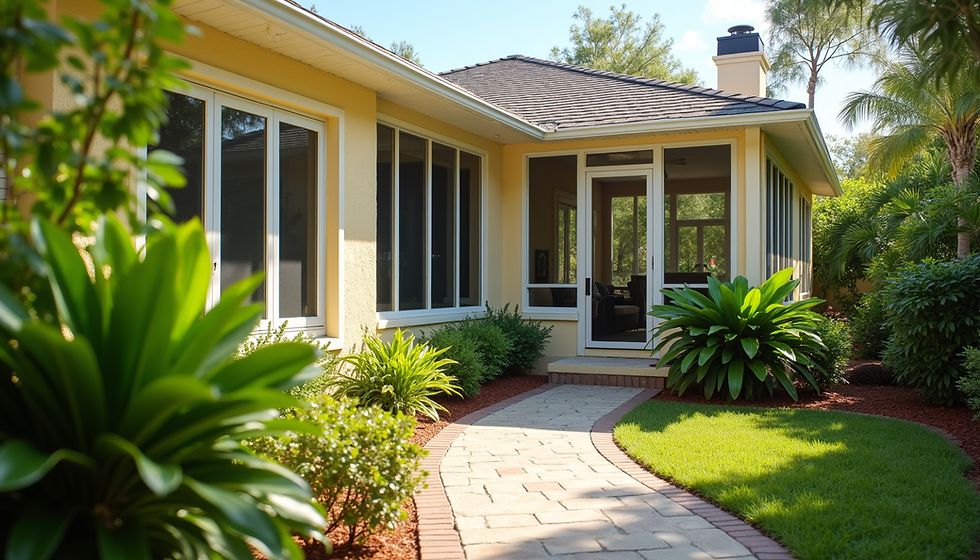
At Epic Home Pros, we specialize in transforming your living spaces with our expert remodeling services. Our primary focus is on providing high-quality lanai enclosures that enhance the beauty and functionality of your home.
Our Services
Lanai Enclosures: Create a comfortable outdoor living space that can be enjoyed year-round, regardless of the weather.
Home Remodels: From kitchen upgrades to bathroom renovations, we bring your vision to life with precision and care.
Quality Craftsmanship: Our skilled team is dedicated to delivering superior workmanship on every project.
Why Choose Us?
Experienced professionals with a passion for construction and design.
Commitment to customer satisfaction and attention to detail.
Competitive pricing without compromising on quality.
Timely project completion to minimize disruption to your home life.
Transform your home with Epic Home Pros. Contact us today to schedule a consultation and discover how we can enhance your living space!


Comments